


There have been so many changes in how cricket is played and even in how match results are decided.
However, in terms of technologies used, have you ever considered that even the bat itself has been changed? Yes, the shape of a cricket bat seems to have never changed for centuries, but the engineering behind it is actually quite impressive.
Let’s take a closer look at something many fans probably don’t know about the cricket bat.
From Heavy Oak to English Willow
The earliest versions of the cricket bat in the 1600s actually resembled hockey sticks. This was because bowlers delivered the ball underarm and along the ground. However, bowling styles changed to overarm, and the bat became straight to help players defend their stumps.
During this period, makers experimented with different types of wood, including ash and oak. However, English Willow eventually became the gold standard because of its unique structure. It’s a soft hardwood that contains tiny air pockets between its fibers that’re like a natural spring. Basically, they can create a trampoline effect when the ball strikes its surface.
It’s unlike denser woods that simply absorb the energy of an impact. Willow oak stores that energy and releases it back into the ball instead. This allows a player to hit the ball harder without needing to swing a heavier piece of equipment.

The Secret of the Sweet Spot
Now, creating a high-performance bat is a delicate process of pressing and compression. When a bat maker receives a raw cleft of wood, it will be too soft to be used in a match. So, they use a heavy roller to compress the fibers of the wood, which hardens the surface and increases the durability of the blade.
However, if the wood is pressed too much, it becomes dead and loses its bounce. Also, if it’s pressed too little, the bat will break on the first impact.
This pressing process is what creates the sweet spot, which is the area on the face of the bat where the energy transfer is most efficient. What’s great is that modern players can now customize where this spot is located.
A player who likes to play on bouncy pitches in Australia might prefer a high sweet spot to deal with the rising ball. Meanwhile, players in India often prefer a low sweet spot to help them drive the ball on slower, lower tracks.
If you are tracking these technical shifts and how they translate into higher strike rates for top players, www.play10cric.com/cricket/indian-premier-league/ offers a detailed look at match data and odds that show exactly how the game is changing.
The Illusion of Weight and Thickness
One of the most impressive feats of modern bat-making is the ability to create a blade that looks massive but remains incredibly light. In the 1990s, a bat with edges 40mm thick would have been too heavy for most players to lift comfortably.
Today, that’s actually standard in every professional locker room. This is achieved through a process called concaving.
Makers remove wood from the back of the bat, leaving a high spine but deep scoops on either side. This keeps the weight concentrated in the hitting zone while reducing the overall mass of the blade.
The result is a bat with a light pick-up. This term refers to how the bat feels when a player is actually in their stance. So, a bat might weigh 2.8 pounds on a scale, but if the balance is perfect, it will feel like it weighs much less
Handle Technology and Shock Absorption
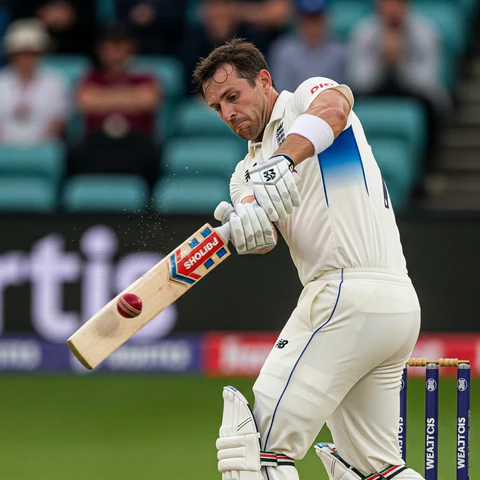
While the blade gets most of the attention, the handle is just as important for performance. Most modern handles are made of cane, but they’re no longer made with solid pieces of wood. They now use a series of slices of cane with rubber or cork inserts glued between them, and they serve as shock absorbers.
Without that, the vibration from a fast ball hitting the bat would travel straight into the player’s hands. That’s not good as it could cause pain and loss of control. Some handles now even incorporate carbon fiber to add extra stiffness, and that prevents the handle from flexing too much during a powerful swing.
Conclusion
The Marylebone Cricket Club (MCC), which sets the laws of the game, has had to step in recently to limit the size of this equipment. In a 2026 update, the use of laminated bats (Type D) was finally allowed for adult recreational cricket.
This was to address the rising cost and scarcity of high-quality English willow rather than to limit performance. According to a study they made, these multi-piece bats don’t really offer a significant power advantage over traditional solid willow.
With all that, we can truly say that the modern cricket bat is a triumph of engineering. As long as the demand for high scores continues to grow, manufacturers will surely keep finding ways to squeeze more power out of a single piece of willow.

